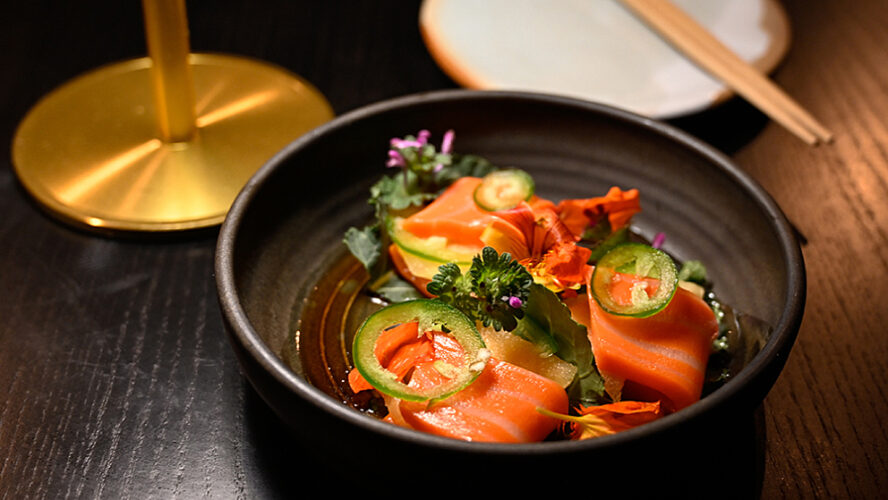
There’s been a serious splash on the earth of moral salmon: The FDA accepted the very first lab-grown fish in late Might this yr. As of this month, lab-grown salmon is on the market in two totally different eating places for American diners to attempt.
What Is Lab-Grown Salmon?
Lab-grown salmon, also referred to as cultivated salmon or cell-grown salmon, is a sort of seafood produced in a lab setting with salmon cells, somewhat than via fishing or conventional aquaculture.
How Is Lab-Grown Salmon Made?
San Francisco’s Wildtype produces the brand new lab-grown salmon, which is made by harvesting dwelling Pacific salmon cells and rising them in stainless-steel tanks in a transformed microbrewery.
The salmon cells are then harvested and blended with plant-based substances. The ultimate Wildtype salmon product emulates the flavour and look of standard salmon so carefully it’s designed to be consumed uncooked, sashimi-style — and all this with out one life misplaced.
Lab-Grown Salmon Excites Eco-Acutely aware Cooks
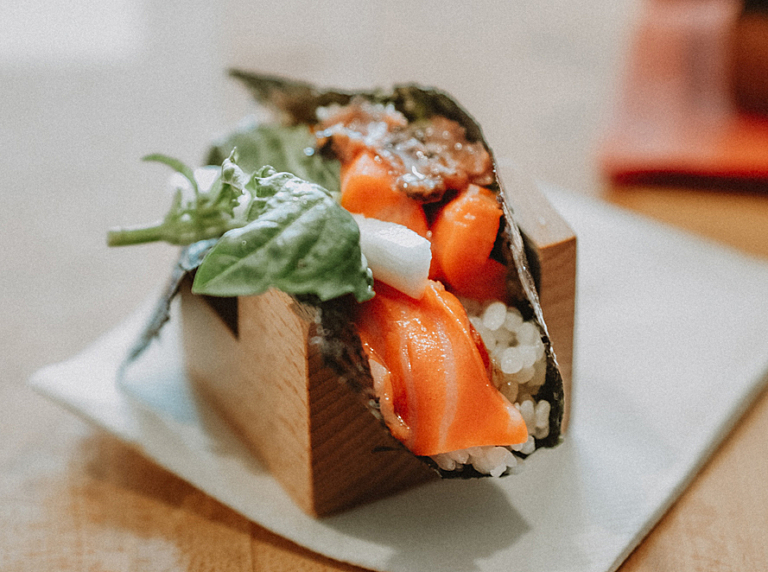
Portland’s Kann grew to become the primary place to serve Wildtype’s new cell-grown salmon this spring. “At Kann, we take pleasure within the substances we make the most of,” James Beard Award-winning Chef Gregory Gourdet shared within the Wildtype announcement. “Introducing Wildtype’s cultivated salmon to our menu hits the elevated and sustainable marks we wish our menu to supply visitors who share an analogous worth system to ours.”
Consistent with the Haitian accent of his menu, the chef pairs it with spiced tomato, pickled strawberries, strawberry juice, a crispy rice cracker, and epis, a Haitian pesto.
4 extra eating places might be following swimsuit within the coming weeks, together with OTOKO in Austin. Chef Yoshi Okai, who first served the salmon on the Aspen Meals & Wine Traditional, might be including Wildtype to his omakase menu.
A reporter from Motive who bought the possibility to attempt the product says, “[While] the cultivated Salmon gained’t idiot any devoted seafood lovers, it has a pleasantly fishy, savory taste profile—although like different lab-grown meat merchandise, it struggles on the feel entrance.1”
States Are Pushing Again In opposition to Lab-Grown Seafood and Meat
The FDA has unique authority over cell-cultivated seafood — however the identical just isn’t true of cell-grown meat, which should even be accepted by the USDA. Three firms have already jumped via these administrative hoops: Upside Meals and Good Meat, each of which had been cleared to promote cell-cultivated hen, and Mission Barns, which has been cleared to promote cultivated pork fats.
However this new know-how hasn’t satisfied everybody, together with customers. Regardless of receiving approval in 2023, cultivated hen fell out of vogue shortly. At this time, Wildtype’s salmon is the one cell-cultivated animal protein accessible on the market within the U.S. Sure states are additionally preventing again in opposition to the approval of those merchandise — eight states have already banned lab-grown meat, and Florida went as far as to criminalize it in 2024.
“Florida is preventing again in opposition to the worldwide elite’s plan to drive the world to eat meat grown in a petri dish or bugs to attain their authoritarian objectives,” mentioned Florida Governor Ron DeSantis in a press release. “We are going to save our beef.”
The Advantages of Lab-Grown Salmon
The aim of this new product isn’t to place an finish to fish as we all know it. Justin Kolbeck, a Wildtype co-founder, instructed the Washington Put up: “We’re not trying to put fishermen out of enterprise, we aren’t trying to eradicate the necessity for fish farming.” As a substitute, Kolbeck explains, the aim is to cut back a few of the strain on the ocean ecosystem for this in-demand protein.
Providing a Resolution to Salmon Shortage
Salmon is the second-most standard seafood in America, with over three kilos consumed per capita in 20222. It ought to come as no shock that it’s so standard, given the wealth of well being advantages from its unbelievable omega-3 content material (which have been linked to constructive results like slowed organic growing older and decreased threat of breast most cancers). A six-ounce filet of salmon consists of someplace between 1,700 and 4,500 mg of the wholesome fatty acids, relying on the range you buy3.
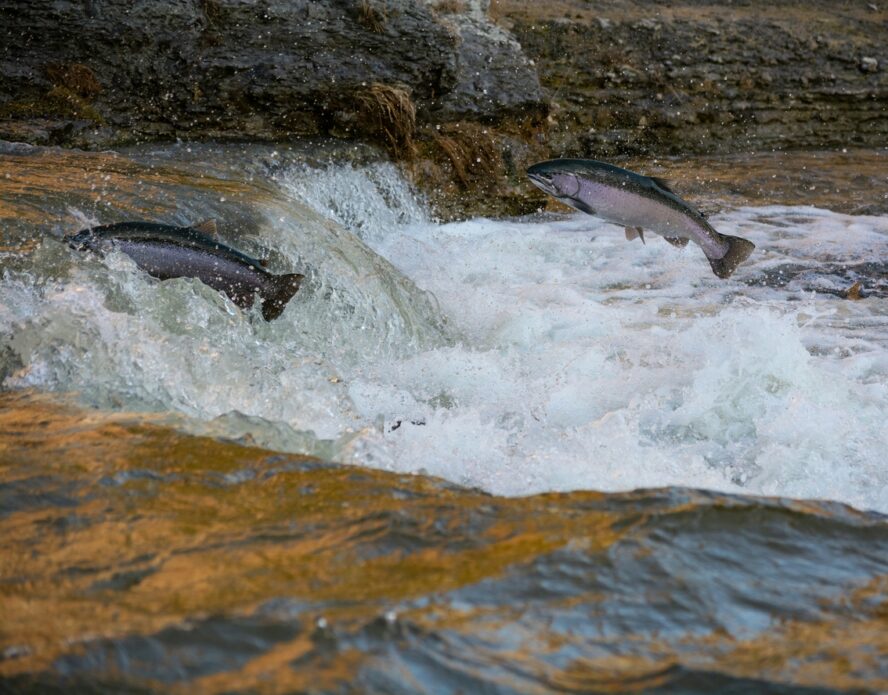
Sadly, the recognition of salmon has had devastating results on the trade and our planet. A mixture of overfishing and warming rivers have led to salmon inhabitants decline and shortage in Alaska, which has devastating results for the earth’s biodiversity and the life-style of native Alaskans4. One other major problem is bycatch, which refers back to the unintentional harvest of marine species aside from the supposed catch5.
“The quantity of seafood that’s at present in demand, and the place it’s projected to go, are so excessive we really want all the manufacturing that we’re doing from these different instruments, plus ours, plus possibly some assist from the plant-based world, to have the ability to meet that demand,” explains Kolbeck.
Diminished Meals Waste and Toxin Contamination
Shortage isn’t the one drawback that cell-grown salmon seeks to unravel. Cell-cultured seafood naturally cuts down on waste, as lab-cultivated blocks of protein don’t have any bones or scraps to cope with.
Plus, salmon grown in a lab can’t be contaminated by mercury or harmful microplastics, which a 2024 examine in Frontiers present in 99 p.c of seafood samples examined6.
Whereas salmon isn’t the largest offender in terms of heavy metallic contamination, with a mean mercury load of .014 ppm for canned salmon (and even much less on recent varieties)7, the approval of cell-derived salmon does open the door for different lab-grown fish merchandise that might make an enormous distinction. For instance, BlueNalu, a San Diego-based firm making cell-cultured bluefin tuna. Bluefin tuna not solely accumulates excessive ranges of mercury8 however have seen critical inhabitants decline because of demand, largely from high-end sushi markets9.
Customers Make the Remaining Resolution
Wildtype’s lab-grown salmon has undergone eight rounds of questioning with the FDA since 2019, so its approval was hard-won. However Sebastian Belle, president of the commerce group Nationwide Aquaculture Affiliation, stays unconvinced.
“I haven’t seen any actually complete life cycle evaluation on the comparability of this know-how to different applied sciences,” Belle mentioned to the Washington Put up. “On the finish of the day, that’s actually what we have to actually perceive: is it higher or is it the identical or is it worse? And we have to try this science.”
This FDA approval is an enormous step — however finally, it means it’s all the way down to customers to determine how they really feel about this new culinary innovation.
Sources:
- https://motive.com/2025/06/17/lab-grown-salmon-gets-fda-approval/
- https://aboutseafood.com/education-resources/top-10-lists-for-seafood-consumption/
- https://fatty15.com/blogs/information/how-much-omega-3-in-salmon
- https://www.bbc.com/future/article/20240806-native-alaskans-facing-salmon-scarcity
- https://livingoceans.org/initiatives/salmon-farming/points/bycatch-wild-fish-salmon-farms
- https://www.frontiersin.org/journals/toxicology/articles/10.3389/ftox.2024.1469995/full
- https://www.webmd.com/food regimen/mercury-in-fish
- https://www.pnas.org/doi/10.1073/pnas.2111205118
- https://www.worldwildlife.org/species/bluefin-tuna
