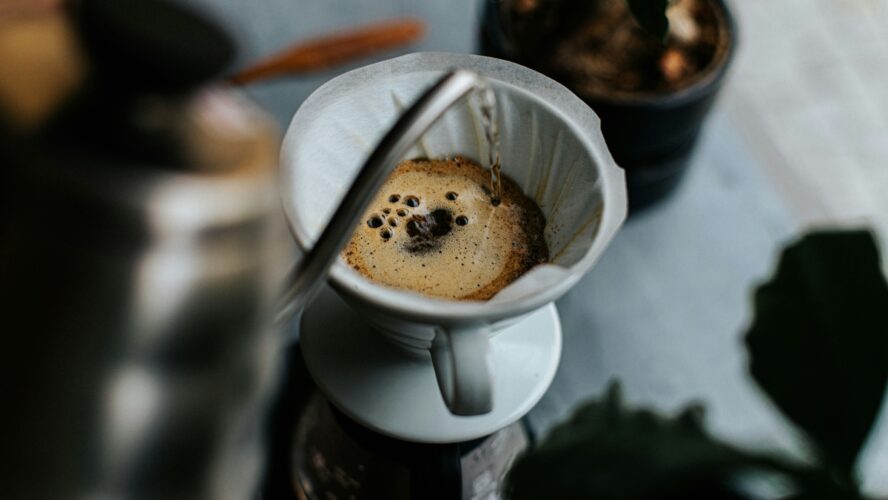
Most individuals go for decaf espresso as an effort to scale back their caffeine consumption and lead a more healthy life. However what they don’t notice is that they might even be rising their danger of consuming harmful chemical compounds. Based on the Nationwide Espresso Affiliation, the caffeine in most decaf is eliminated with methylene chloride, a chemical additionally used to strip paint and degrease steel1. We all know, it’s not precisely appetizing.
However espresso drinkers in search of all the flavour with out the thrill (or the carcinogens) can nonetheless discover top-notch decafs that don’t depend on chemical compounds. There are gentler espresso decaffeination strategies that don’t use methylene chloride. These strategies aren’t simply higher on your well being and the planet — additionally they could also be paving the best way for tastier, more healthy decaf espresso with better-preserved antioxidants and a fuller fragrant profile.
How Is Conventional Decaf Espresso Made?
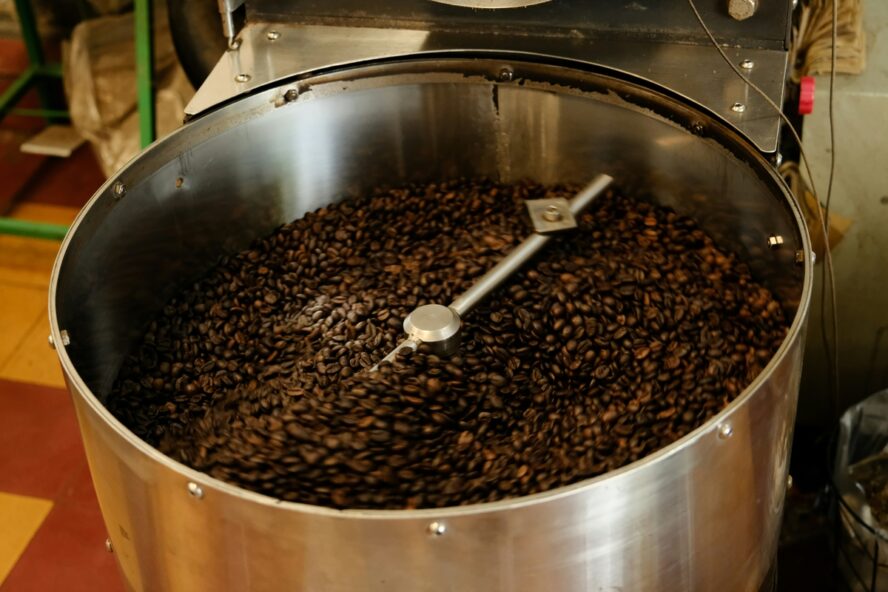
Most decaf espresso is made utilizing the so-called European Methodology, a course of by which methylene chloride acts as a solvent and is added to the beans to assist strip away the caffeine. A identified carcinogen since 19762, methylene chloride has been proven to have antagonistic results on each the liver3 and coronary heart4. It was first banned to be used as a paint stripper by the EPA in 2019 as a consequence of its toxicity. Then in 2023, after figuring out it as a neurotoxicant, a carcinogen, and an “unreasonable danger to human well being,” EPA5 proposed a ban on the chemical for all client, industrial, and industrial makes use of6.
However for the FDA, it’s one other story. Regardless of the actions taken by its sister company and a 2024 petition from advocacy teams calling for a ban on the chemical to be used in meals7, methylene chloride continues to be a permissible technique of decaffeinating espresso for human consumption.
The company — and business teams — argue that decaf espresso is completely secure. Whereas they don’t deny the toxicity of the chemical itself, they declare that processing strategies imply that the methylene chloride completely evaporates in the course of the steaming, washing, and roasting course of. However the toxicity of any residue stays regarding to specialists.
The Potential Well being Dangers of Conventional Decaf
“Along with being carcinogenic, methylene chloride could cause different well being harms, comparable to liver toxicity, and at greater exposures, neurological results, and in some circumstances demise,” says Dr. Maria Doa, senior director of chemical coverage for the Environmental Protection Fund7. The EDF is certainly one of 5 teams behind a few meals and coloration additive petitions despatched to the FDA in November.
Dr. Doa cites rising data relating to the hazards of methylene chloride as only one main motive we needs to be involved. “This data in addition to more moderen data on how a lot espresso we drink — simply take into account the completely different sizes now accessible at espresso retailers — are key to growing a present image of how a lot of a danger the residual methylene chloride may current,” she informed CNN.
As is commonly the case, California is on the forefront of banning using methylene chloride in decaffeinating espresso. Invoice AB2066 was launched in 2023, and if handed, the chemical can be banned to be used in meals and meals processing by 2027. However elsewhere, we now have a protracted strategy to go.
More healthy Decaf Options Do Exist
Fortunately, the European Methodology isn’t the one strategy to decaffeinate espresso. The Swiss Water Course of is one notable different changing into in style with artisan espresso makers seeking to present a safer, more healthy decaf choice. This technique sees the beans soaked in heat water baths, eradicating each the caffeine and the flavour of the beans. The water is then run by way of an activated charcoal filter, which grabs and removes the caffeine molecules. Lastly, the beans are soaked within the decaffeinated water to reabsorb their very own taste.
One other different technique is to make use of liquid carbon dioxide at excessive strain to attract out and dissolve the caffeine. This technique, in accordance with French espresso firm Belco, helps protect the standard and id of the espresso8 — and that’s important on the subject of decaf. In any case, modifications within the chemical composition of espresso can produce other detrimental repercussions on the subject of taste. And whereas these repercussions could also be much less of a well being hazard than a carcinogenic solvent, for espresso lovers, they’re practically as essential.
Sustaining Decaf’s Espresso Properties
Apart from minimizing the degrees of caffeine, the method of decaffeinating espresso can even cut back ranges of chlorogenic acids. Based on Dr. Maria Panagiotidi, writer of the Substack Decaf Earlier than Loss of life, these acids are essential for espresso’s helpful antioxidant properties. Whereas water-based processes sometimes protect extra of those acids than solvent-based strategies, any decaf espresso will comprise much less of them.
One other difficulty is the decreased fragrant potential of decaf. Modifications to the beans’ chemical composition in the course of the decaffeination course of can mute espresso’s flavors and aromas, Dr. Panagiotidi explains, notably altering the best way the beans roast. Usually, decaf will darken extra rapidly on the skin, all of the whereas taking extra time to develop inside flavors.
To fight this, specialists are at the moment testing strategies to enhance the style and high quality of decaffeinated espresso. One research from Indonesian Hasanuddin College discovered that including purple candy potato and keenness fruit pulp to re-ferment espresso after Swiss Water Course of decaffeination may additional cut back caffeine ranges, improve chlorogenic acid, and preserve whole acid content material9. This means that this course of could also be used to enhance each the flavour and well being advantages of decaf espresso. An identical course of examined by researchers from the identical college noticed that watermelon rind may be used to enhance flavors and cut back caffeine content material10.
The Greatest Decaf Espresso Manufacturers
Should you’re in search of good-quality decaf, there are a variety of manufacturers on the market doing issues cleanly — and because of the Clear Label Mission, they’re straightforward to seek out. The Mission’s Examine Your Decaf software provides a strategy to simply see what decaffeination technique varied manufacturers use.
Should you can’t discover great-quality decaf close to you, or when you’re in search of a much less processed different, coffee-like drinks produced from mushrooms, chicory, or dandelion root are having a second on the trendy market. Whereas they gained’t supply the identical kick as espresso, they might scratch the itch for one thing comforting and scrumptious with out the added buzz.
Sources:
- https://www.aboutcoffee.org/beans/decaf-coffee/
- https://www.cdc.gov/niosh/docs/86-114/default.html
- https://www.ncbi.nlm.nih.gov/books/NBK599465/
- https://pmc.ncbi.nlm.nih.gov/articles/PMC11628245/
- https://www.epa.gov/chemicals-under-tsca/epa-finds-methylene-chloride-poses-unreasonable-risk-human-health
- https://www.trihydro.com/information/news-details/epa-methylene-chloride-ban
- https://version.cnn.com/2024/04/04/well being/decaf-coffee-methylene-chloride-cancer-wellness
- https://www.belco.fr/weblog/cafe/decafeination-cafe-co2
- https://iopscience.iop.org/article/10.1088/1755-1315/807/2/022069/pdf
- https://iopscience.iop.org/article/10.1088/1755-1315/1230/1/012174/pdf
