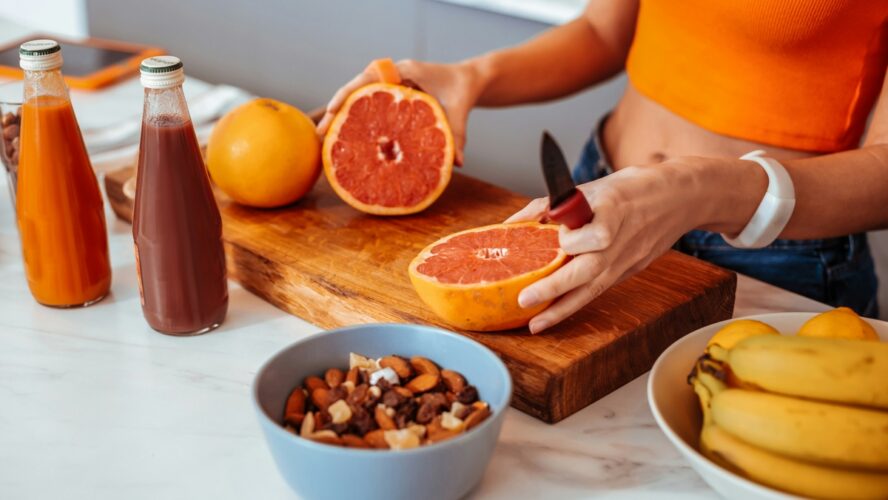
Throughout chilly and flu season, vitamin C turns into the star of many drugs cupboards and pantries. This highly effective micronutrient has confirmed itself to be important for immune assist, making it further important within the chilly winter months1.
Fortunately, nature rises to the event to ship precisely what we want. Winter is the height season for vitamin C-rich meals like citrus fruits2. Simply when your physique is in search of further assist, citrus fruits are at their optimum taste and freshness to assist.
And for those who’re not a citrus fruit fan, don’t fear — there are tons of different meals wealthy in vitamin C to show to, from bell peppers to strawberries. So for those who’re trying to assist immunity with out taking a complement, let’s take a deeper have a look at what meals to eat, how a lot you want, and a few meal plans to assist your consumption.
What Is Vitamin C and Why Does It Matter?
Vitamin C is a water-soluble vitamin, which suggests it will probably’t be saved within the physique — so it must be consumed each day3. Together with being a precursor for necessary compounds like collagen for pores and skin well being, vitamin C additionally enhances iron absorption4. And let’s not neglect the antioxidant properties of vitamin C that make it so helpful for immune well being assist.
Antioxidants like vitamin C assist battle free radicals within the physique that may trigger cell harm5. Due to this, vitamin C and different antioxidants may help scale back power illness danger, assist wound therapeutic, and improve immune operate3. With out satisfactory vitamin C in your food plan, it’s possible you’ll be in danger for vitamin C deficiency, also referred to as scurvy, which we’ll discuss extra about later6.
How A lot Vitamin C Do You Want Every day?

Adults have various vitamin C wants, with the really helpful dietary allowance (RDA) of vitamin C at round 75 milligrams (mg) for girls, 90 mg for males, and a further 35 mg for people who smoke4. People who smoke want extra vitamin C as a result of smoking produces an extreme quantity of free radicals, and in flip depletes vitamin C ranges7.
Many research even advocate greater than the RDA of vitamin C for optimum well being. The “candy spot” for vitamin C to assist immune well being and scale back danger of getting a chilly is 200 mg each day8,9. However like something in life, it’s additionally potential to have an excessive amount of of an excellent factor. The higher restrict for vitamin C per day is 2,000 mg — greater than this could trigger diarrhea, complications, and gastrointestinal discomfort in some folks10.
20+ Meals Wealthy in Vitamin C
Now that you understand why vitamin C is sweet for you, let’s have a look at some meals sources of vitamin C you can add to your food plan right now to reap the advantages. A few of them may shock you! Take into account saving this checklist to your cellphone on your subsequent journey to the grocery retailer or farmer’s market. Examples of vitamin C meals sources, together with their vitamin C content material and approximate each day worth of vitamin C, embrace11,12,13,14,15:
Vitamin C Champions (100mg+)
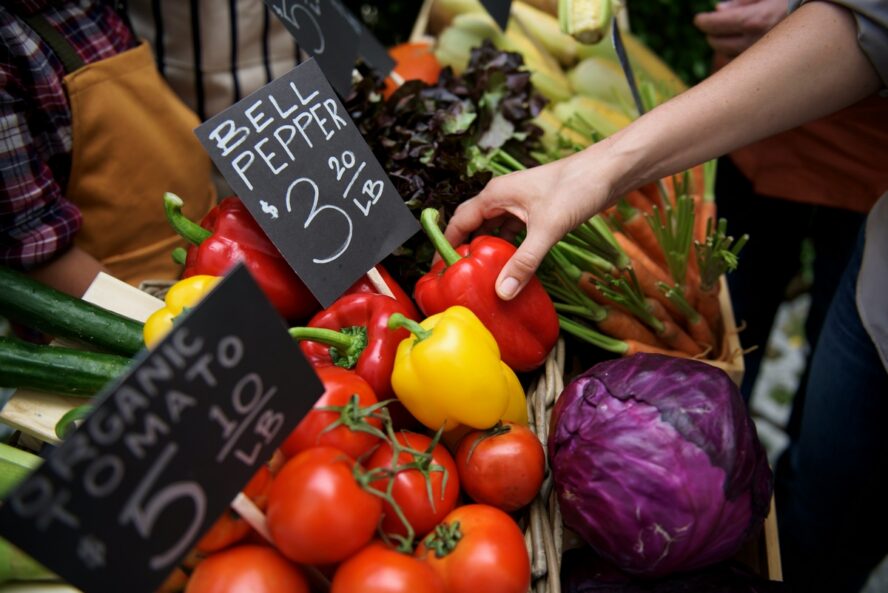
- Crimson bell peppers: One cup uncooked of candy pink pepper incorporates 190 mg of vitamin C (212% DV) — that’s much more than oranges!
- Guava: One 55 g guava fruit (with out refuse) incorporates round 125 mg of vitamin C (137% DV).
- Orange juice: One cup of orange juice incorporates round 124 mg of vitamin C (~136% DV).
Winter Citrus Fruits
These fruits are at the moment of their peak season, so it’s a good time to top off.
- Oranges: One medium orange incorporates 70 mg of vitamin C (78% DV).
- Grapefruit: One-half of a medium grapefruit incorporates 39 mg of vitamin C (43% DV).
- Clementines: One 74 g clementine fruit incorporates round 36 mg of vitamin C (40% DV).
- Kiwi: One medium kiwi fruit incorporates 64 mg of vitamin C (71% DV).
- Papaya: One cup of uncooked papaya incorporates round 88 mg of vitamin C (98% DV).
- Candy potatoes: One medium baked candy potato incorporates round 22 mg of vitamin C (24% DV).
Cruciferous Greens
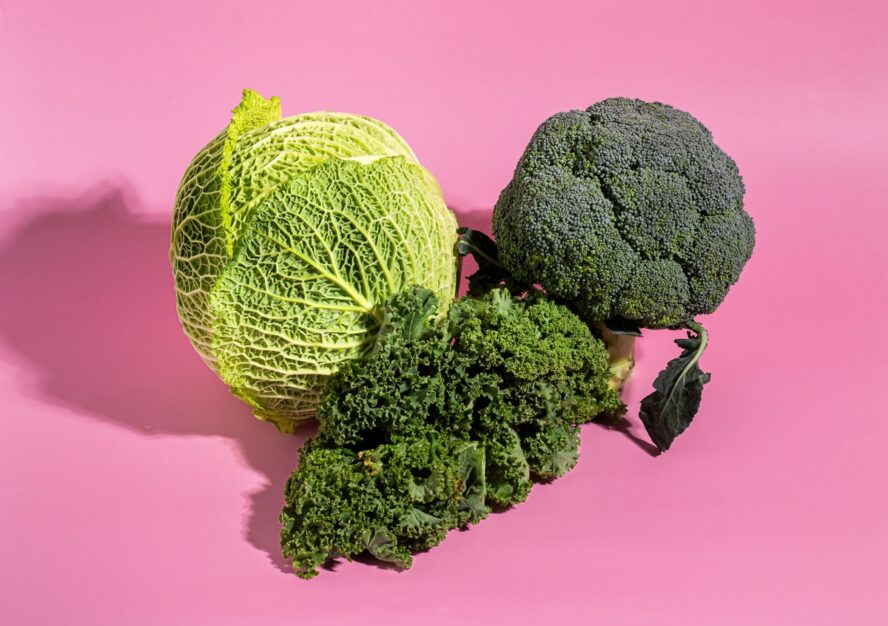
- Brussels sprouts: One-half cup of cooked Brussels sprouts incorporates 48 mg of vitamin C (53% DV).
- Broccoli: One-half cup cooked of broccoli incorporates 51 mg of vitamin C (57% DV).
- Kale: One cup of uncooked kale incorporates round 19 mg of vitamin C (21% DV).
- Cabbage: One-half cup cooked cabbage incorporates 28 mg vitamin C (31% DV).
- Cauliflower: One-half cup of uncooked cauliflower incorporates 26 mg of vitamin C (29% DV).
Stunning Sources of Vitamin C
- Strawberries: One-half cup of sliced strawberries incorporates 49 mg of vitamin C (54% DV).
- Tomatoes: One medium uncooked tomato incorporates 17 mg of vitamin C (19% DV).
- Tomato juice: One cup of tomato juice incorporates round 44 mg of vitamin C (49% DV).
- Baked white potato: One medium baked white potato incorporates round 17 mg of vitamin C (19% DV).
- Candy inexperienced peppers: One-half cup of inexperienced candy peppers incorporates 60 mg of vitamin C (67% DV).
- Grapefruit juice: One cup of white grapefruit juice incorporates round 93 mg of vitamin C (103% DV).
- Cantaloupe: One-half cup of cantaloupe incorporates 29 mg of vitamin C (32% DV).
Ideas for Vitamin C Retention
Relating to vitamin C-rich produce and juices, correct storage and preparation is vital to vitamin retention. Issues like pH, gentle, temperature, and the focus of oxygen can all drastically impression vitamin C preservation16.
Storage
Relating to storage, you should definitely maintain vitamin C-rich juices within the fridge at 41 levels Fahrenheit or much less in a sealed glass container for optimum vitamin preservation17,18. For vitamin C-rich produce, eat uncooked produce as quickly as potential after you buy it, however wait to chop or peel it till proper earlier than you eat or put together it for optimum freshness.
You’ll want to retailer uncooked produce within the fridge as properly, however in hermetic containers — ideally opaque glass containers. This helps scale back publicity to oxygen and moisture, which may have an effect on the vitamin C content material of your meals19. There are particular exceptions, nonetheless — some produce like candy potatoes must be stored saved in a dry and darkish location like in a brown bag or closed basket20.
Whether or not you merely retailer it after buying or put together the produce beforehand, you should definitely use most refrigerated vitamin C-rich meals inside three to 5 days. Some extra delicate produce like leafy greens might solely stay contemporary for round two days after storage, whereas produce like peppers might keep for up to some weeks within the fridge crisper21.
Preparation
Whenever you put together meals wealthy in vitamin C, we advocate cooking them rapidly in as little water as potential. Cooking strategies like steaming or stir frying (fairly than boiling, for instance) assist protect essentially the most vitamin C content material. These strategies expose your vitamin C-rich meals to the bottom quantity of warmth and moisture potential (aside from merely consuming them uncooked).
Recent vs. Frozen
Questioning for those who’ll nonetheless get the identical vitamin C advantages from these frozen strawberries you set in your smoothie this morning? You is perhaps stunned. A research that in contrast vitamin retention in eight fruit and veggies when frozen vs. contemporary discovered that the frozen produce had comparable OR often larger vitamin content material than their contemporary counterparts22.
It is because frozen greens are usually harvested at peak ripeness earlier than being frozen and packaged inside just a few hours, whereas contemporary fruit and veggies are typically picked earlier than they’re ripe in order that they don’t spoil throughout transportation. This implies they’ve much less time on the plant to develop a full vary of nutritional vitamins and minerals, plus they usually sit for lengthy durations of time in storage earlier than ever arriving in your kitchen.
However, the blanching course of that’s usually used to cook dinner greens earlier than frozen can scale back vitamin C content material — so on the entire, you’re an nearly negligible distinction between contemporary and frozen. Take your decide!
Your 200 mg Every day Problem: Meal Plan Concepts
If you wish to be certain that you eat the “candy spot” of 200 mg of vitamin C each day, strive considered one of these three beginning factors for sensible meal plans.
Winter Citrus Lover
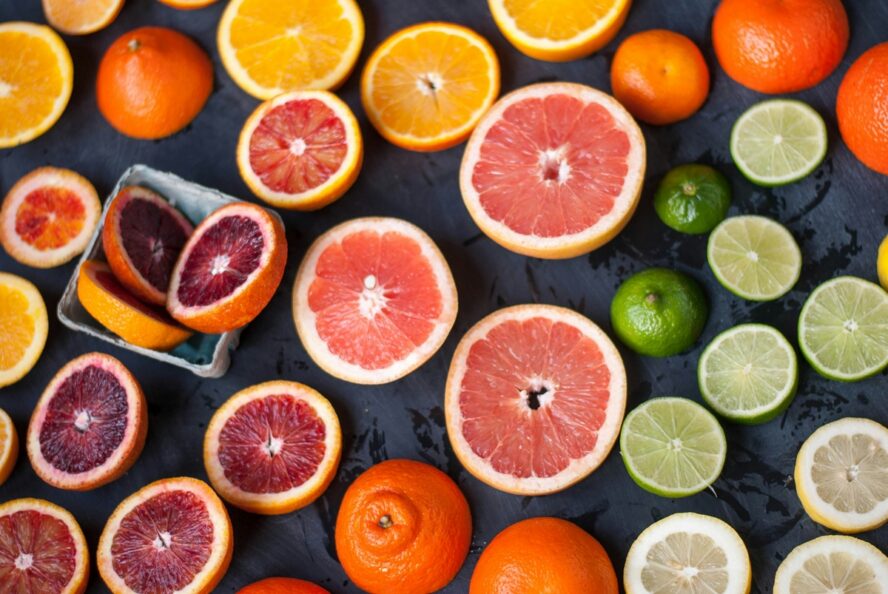
We love this one as a result of it highlights present peak season produce you can simply buy in these winter months. When you’re leaning into this plan, take pleasure in numerous candy potatoes and citrus fruits to achieve your vitamin C objectives. Strive having half a grapefruit and an orange at breakfast, one other orange as a snack, and embrace one medium candy potato at dinner to hit your each day 200 mg vitamin C aim.
Veggie-Targeted
This plan has the added bonus of serving to you hit your fiber objectives alongside your vitamin C objectives. Lean into greens at most meals and unfold out your consumption. For instance, strive a kale, cauliflower, and broccoli salad at lunch — you’ll hit half of your each day aim in a single meal. Then throw some roasted Brussels sprouts and cabbage as sides on your protein at dinner and you’ll name it a day.
Funds-Pleasant
When you’re on a meals funds, there are nonetheless loads of methods to hit your 200 mg of vitamin C each day with out breaking the financial institution. For instance, even simply beginning your day with a glass of orange juice does an enormous quantity of labor in direction of your aim. Then strive a baked white potato with a facet of frozen broccoli or cauliflower for dinner and also you’ll be good to go.
Indicators of Vitamin C Deficiency
Though uncommon, vitamin C deficiency can happen in sure at-risk populations, together with these with alcohol use dysfunction, consuming issues, restricted diets, malabsorption issues, or restrictive diets7. And as talked about earlier than, people who smoke are additionally extra in danger for vitamin C deficiency8.
Vitamin C deficiency signs embrace7:
- Frequent infections
- Fatigue
- Bleeding gums
- Simple bruising
- Pores and skin rashes
- Delayed wound therapeutic
FAQs
The fruit with essentially the most vitamin C on the earth is a Kakadu plum, a uncommon fruit present in Australia which incorporates 2300 to 3150 mg of vitamin C per 100 grams of contemporary weight23. Probably the most vitamin C-rich fruit present in the USA is guava.
Crimson and inexperienced bell peppers, or candy peppers, comprise extra vitamin C than oranges!
It might be very troublesome to eat greater than the higher restrict of two,000 mg of vitamin C each day, since most meals don’t comprise important quantities of vitamin C. Our our bodies additionally excrete this water-soluble vitamin all through the day, so your danger actually is low.
When you do handle to eat greater than 2,000 mg of vitamin C each day by way of meals alone, it’s going to possible not trigger a lot hurt apart from gastrointestinal results like nausea and diarrhea in some folks.
Taking vitamin C when you find yourself already sick is not going to essentially make your illness go away. Nevertheless, research counsel that taking vitamin C earlier than you get sick might shorten the period and severity of chilly signs for those who do get sick, so it’s at all times a good suggestion to remain on high of standard consumption24.
Sources:
- https://www.mdpi.com/2072-6643/9/11/1211
- https://pmc.ncbi.nlm.nih.gov/articles/PMC7571178/
- https://ods.od.nih.gov/factsheets/VitaminC-HealthProfessional/
- https://pmc.ncbi.nlm.nih.gov/articles/PMC12640369/
- https://pmc.ncbi.nlm.nih.gov/articles/PMC12085410/
- https://www.ncbi.nlm.nih.gov/books/NBK493187/
- https://pmc.ncbi.nlm.nih.gov/articles/PMC12173858/
- https://www.ncbi.nlm.nih.gov/books/NBK279544/
- https://pmc.ncbi.nlm.nih.gov/articles/PMC12655283/
- https://pmc.ncbi.nlm.nih.gov/articles/PMC12441711/
- https://www.nal.usda.gov/websites/default/recordsdata/page-files/Vitaminpercent20C.pdf
- https://fruitsandveggies.org/weblog/whats-in-season-winter/
- https://fdc.nal.usda.gov/food-details/173044/vitamins
- https://fdc.nal.usda.gov/food-details/168195/vitamins
- https://fdc.nal.usda.gov/food-details/168421/vitamins
- https://pmc.ncbi.nlm.nih.gov/articles/PMC8619176/#sec6-foods-10-02630
- https://www.researchgate.web/publication/374183400_Stability_of_Vitamin_C_Content_in_Plant_and_Vegetable_Juices_under_Different_Storing_Conditions
- https://www.fns.usda.gov/fs/produce-safety/storage
- https://pmc.ncbi.nlm.nih.gov/articles/PMC8619176/#sec6-foods-10-02630
- https://www.fns.usda.gov/fs/produce-safety/storage
- https://extension.umaine.edu/food-health/2025/05/29/storing-and-washing-fresh-fruits-and-vegetables/
- https://pubmed.ncbi.nlm.nih.gov/25526594/
- https://pmc.ncbi.nlm.nih.gov/articles/PMC10056586/
- https://pubmed.ncbi.nlm.nih.gov/38082300/
