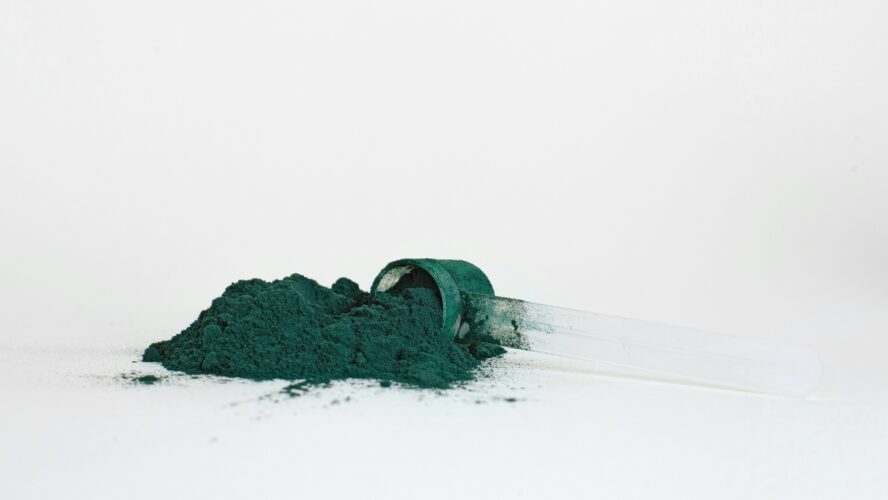
The FDA has authorised three new pure meals dyes to be used in meals. These new pure meals coloring choices symbolize a departure from the petroleum-based meals colorings which were used because the early 20th century.
Their approval comes on the tail of an April announcement that the FDA can be prioritizing a phase-out of those widespread synthetic dyes in meals, which have been linked to behavioral issues in kids and elevated threat of most cancers. Whereas it’s not the all-out FDA ban on artificial meals dyes that we hoped for, it’s a step in the precise path — and provides some options to the banned meals dyes like like carcinogenic pink 3 dye.
“On April 22, I stated the FDA would quickly approve a number of new shade components and would speed up our evaluation of others. I’m happy to report that guarantees made, have been guarantees saved,” stated FDA Commissioner Martin A. Makary, M.D., M.P.H. “FDA employees have been transferring shortly to expedite the publication of those selections, underscoring our critical intent to transition away from petroleum-based dyes within the meals provide and supply new colours from pure sources.”
Meet the Three Newly-Authorised Pure Meals Colorings
The newly authorised meals dyes supply a transparent shift away from the possibly harmful colorings which have lengthy been standard on the American market — and in keeping with Naturopathic Physician Serena Goldstein, they’re an enormous step up.
“Pure coloring tends to come back from actually pure sources, as these from a chemistry lab have been found to hold quite a few well being dangers,” she says. “With extra well being aware traits on the rise, extra pure coloring is favorable.” In some instances, they may virtually be labeled “wholesome meals dyes,” with a few them even touting potential well being advantages.
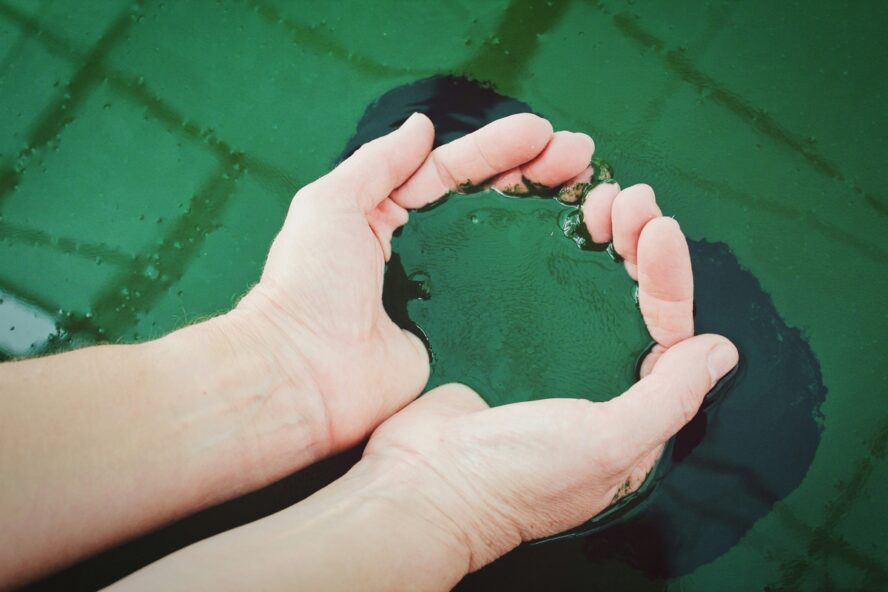
The primary of the three newly authorised dyes is Galdieria extract blue, which is derived from the algae Galdieria sulphuraria. It could now be used to lend a blue tint to quite a lot of drinks like smoothies and juices, in addition to sweet, chewing gum, ice cream, and extra.
This meals coloring might have extra endurance than different pure meals dyes, which tend to fade over time. As a result of Galdieria sulphuraria is of course in a position to reside in acidic environments, it’s extra steady than many different comparable meals colorings.
Galdieria might also have some added well being advantages. Just like the superfood spirulina, Galdieria is derived from sea algae, and it could have a number of the similar antioxidant properties. “Galdieria has been famous to be excessive in amino acid content material, and better in protein than spirulina,” says Goldstein. A 2023 research in Progressive Meals Science & Rising Applied sciences described Galdieria as “one of the promising microalgae for meals functions” due to this dietary profile1.
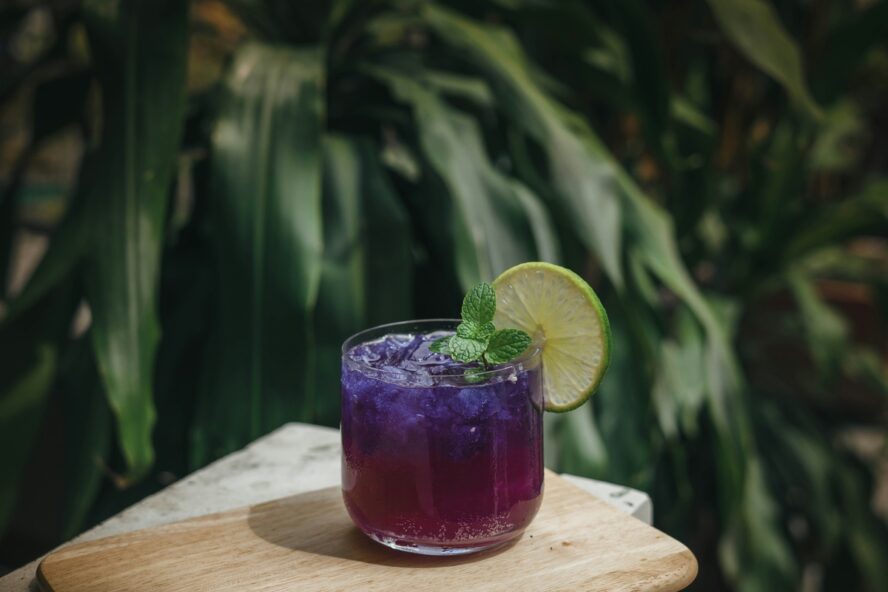
Butterfly pea flower extract is a dye derived from the butterfly pea plant. It may be used to attain a spread of shades together with vivid blues, intense purple, and pure greens. It’s already utilized in quite a lot of sports activities drinks, and plenty of mixologists reap the benefits of its hue to make an eye catching purple vodka. This new approval means its use shall be prolonged to meals, reminiscent of cereal, crackers, and tortilla chips.
Like Galdieria, butterfly pea flower extract has the potential to deliver a number of well being advantages to the desk as effectively, in keeping with Goldstein, who cites its excessive ranges of antioxidants, fiber, and protein. “Healthwise, a number of the researched compounds even have advantages that embrace anticancer, anti-diabetic, and cardiovascular threat discount, as it’s utilized extensively in Ayurvedic preparations,” she says.
Dr. Joel “Gator” Warsh, creator of Between a Shot and a Onerous Place, echoes this evaluation. “Butterfly pea flower extract has a protracted historical past of conventional use in meals and natural medication, particularly in Southeast Asia,” he says. “It’s wealthy in antioxidants like anthocyanins and is mostly acknowledged as protected, with no main pink flags in present literature.”
Calcium Phosphate
The final new coloring is calcium phosphate, a white compound that exists naturally in milk. It has already been used for many years in calcium dietary supplements, packaged breads, and fortified plant milks. This new FDA approval means it’s now authorised to be used in hen merchandise, sweet melts, doughnut sugar, and sugar for coated candies.
Do These Pure Meals Colorings Pose Any Dangers?
These new colorings are undoubtedly an enchancment on the earlier meals dyes — however simply because they’re pure, doesn’t imply they’re assured to be protected.
“’Pure’ colorings are sometimes perceived as safer as a result of they’re derived from plant or mineral sources, however they will nonetheless trigger reactions in delicate people,” says Warsh. “The important thing distinction is that artificial [food] dyes — significantly these derived from petroleum — have been linked in some research to behavioral and allergic points in kids, whereas pure colorants usually have a greater security profile, although they aren’t routinely ‘protected’ for everybody.”
He shares that FDA approval doesn’t imply a meals or additive is essentially “optimum” for long-term use. “Many components are evaluated in isolation, not within the context of whole dietary publicity or their interactions with different elements.”
That stated, these components appear to hold few dangers, which is far more than we will say about their predecessors. For instance, consultants say Galdieria appears to be fully protected. “No concern, aside from sourcing points down the road, however I’ve not seen that talked about,” says Goldstein.
Butterfly pea extract has been used for hundreds of years in elements of Asia and in addition appears to be protected for human consumption. “There doesn’t appear to be an quantity that’s ‘an excessive amount of’ in the case of antagonistic negative effects,” says Goldstein. That stated, Warsh cautions that, “like all additive, particular person sensitivities are doable.”
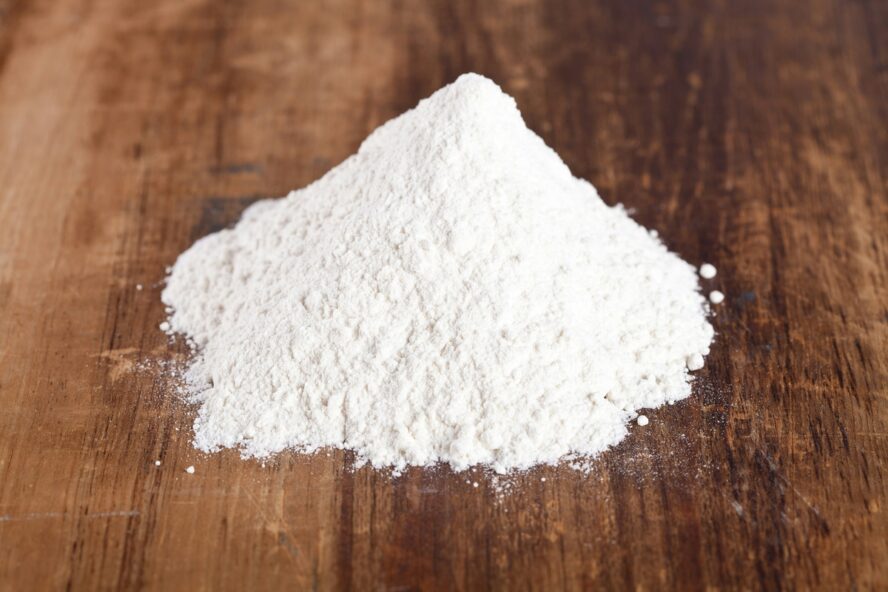
Of the three authorised pure meals colorings, calcium phosphate is the one most definitely to pose issues. As a result of it provides calcium to meals, it’s a good suggestion for adults with kidney stones to restrict their consumption.
“In extra, calcium phosphate can contribute to kidney stone formation, particularly in people susceptible to phosphate-based stones,” says Warsh. “Nonetheless, within the quantities used as a meals additive, it’s unlikely to pose a big threat for most individuals.”
Altering Client Expectations Round Meals Coloring
Finally, the most important draw back of those new colorings isn’t one to do with well being — it’s to do with client expectations. Pure dyes are likely to render paler shades and fade extra shortly than artificial. However is that essentially a problem? Whereas Goldstein notes that some meals might not have “the precise shade we’d anticipate,” the professionals outweigh the cons.“
“I might say to be happy with it, because the style needs to be comparable, and if something, might have some extra well being advantages in the event that they’re including in additional pure, superfood sources.”
Sources:
